Bachelor of Science in Nursing
A new pathway for nursing professionals
University of Northern Iowa's Bachelor of Science in Nursing (BSN) program prepares nurses who are clinically focused and practice-ready. Students become proficient through situational awareness and develop clinical judgment, allowing them to excel in a variety of settings.
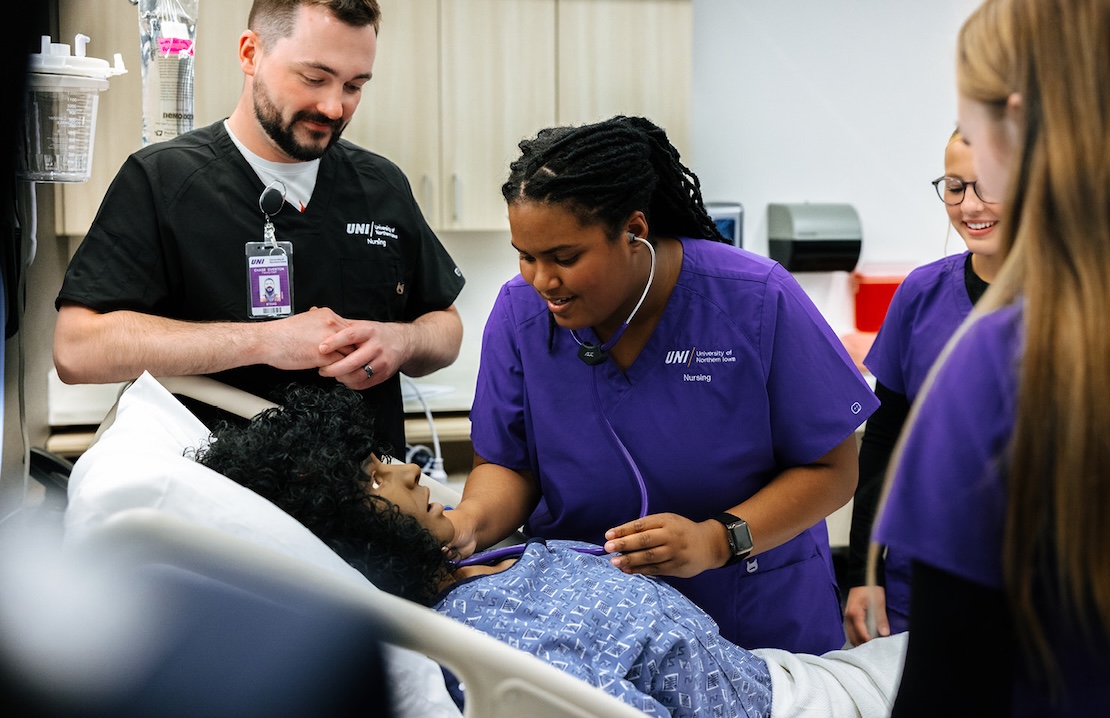
Active learning is at the forefront of UNI Nursing’s innovative new facilities, customized for a competency-based education within an environment that models clinical settings. Integrated classes combine lecture, theory, fully equipped labs and state-of-the-art simulations — allowing students to learn while practicing, right on campus.
UNI’s baccalaureate nursing program is accredited by the Accreditation Commission for Education in Nursing (ACEN) and approved by the Iowa Board of Nursing. The program meets the educational requirements for RN licensure in Iowa.
Focus on Patients
412.5 hours of clinicals in settings such as acute, long-term, hospice, chronic, rehabilitative, and critical/trauma care, obstetrics, pediatrics, mental health, community and public health, and more.
Care Competency
112.5 hours (87.5 hours effective fall 2026) in nursing labs to develop care competencies such as administering medications and assessing patientsʼ conditions through simulations and standardized patient examinations.
In-Field Experience
150-hour residency in an acute or critical care unit setting, mentored by RN.

Mission
The University of Northern Iowa BSN program will prepare graduates who are clinically-focused and practice-ready while instilling a proficiency in situational awareness and clinical reasoning, allowing them to excel within their full scope of nursing practice.
Vision
By fostering innovative teaching strategies, the Department of Nursing will utilize best practices and innovative teaching strategies to meet a variety of learning styles and empower students to become collaborative members of interprofessional teams.
Interested in Nursing?
Contact us directly at:
Department of Nursing & Public Health
Phone: 319-273-2828
Email: nursing@uni.edu
Admissions
Email: admissions@uni.edu

Faculty
“I believe one of the most important things you can do as a nurse educator is to be a role model for your students — holding them to high standards while recognizing their individuality. My students learn from me, but I also learn from them: how they learn best, where their strengths lie and where they need support. Some of my proudest moments are when former students tell me they apply what they learned in my class to real-world practice every day.”
– Allison Heit, MSN, RN, Clinical Assistant Professor
Facilities
Designed for Hands-On Learning
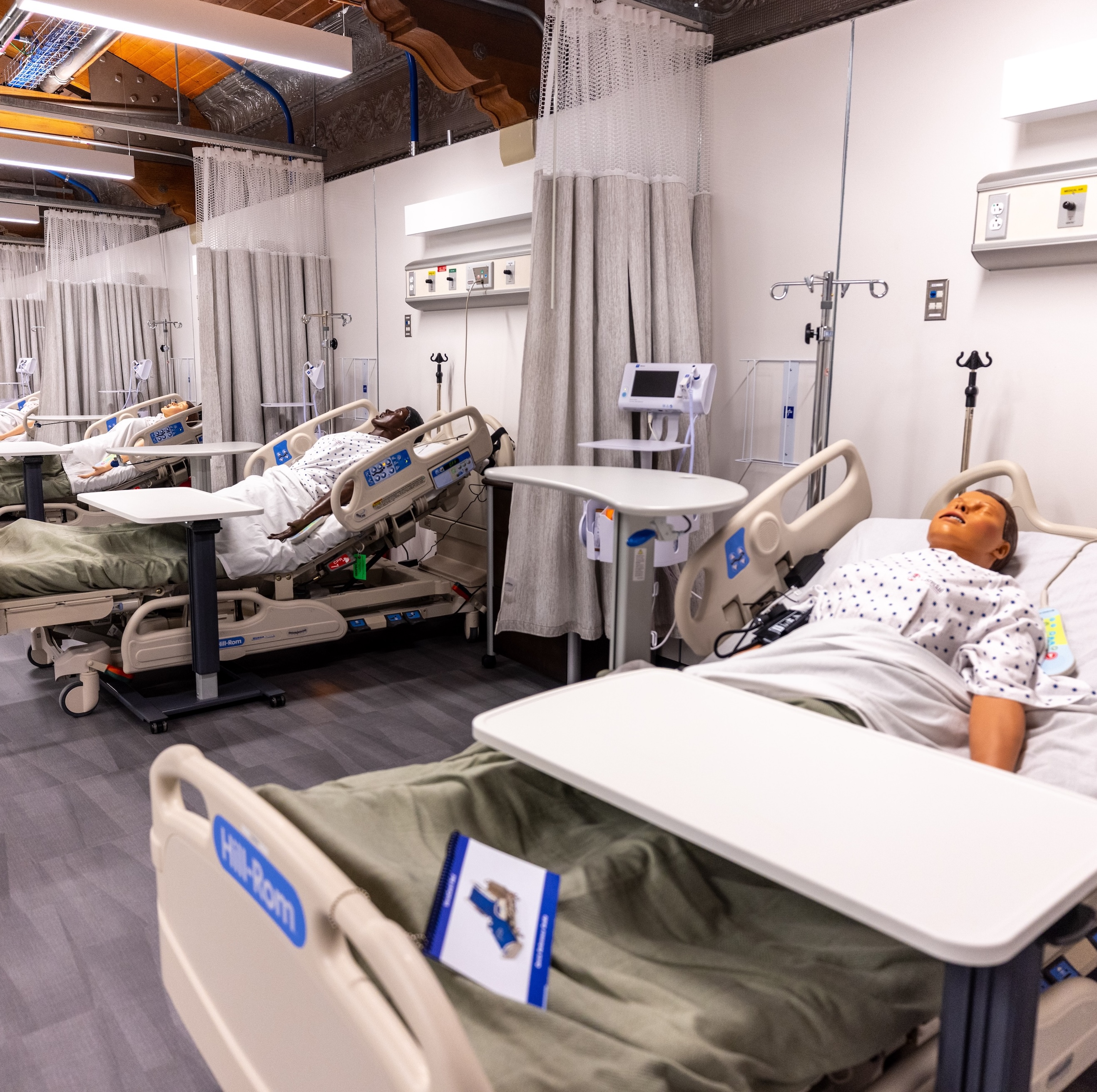
At UNI, you'll learn in state-of-the-art nursing facilities designed to bring classroom learning and clinical practice together. Interactive classrooms, hands-on skills labs and immersive, hospital-style simulation suites provide opportunities to apply what you learn in realistic patient care scenarios. With advanced technology and supportive faculty guiding the way, you'll build the skills, clinical judgment and confidence needed to become a practice-ready nurse.
Learn more about UNI Nursing from our current students!
"I chose UNI’s Bachelor of Science in Nursing program because of the smaller class sizes. Growing up in a small town, I’ve always valued one-on-one connections, and when I visited UNI, I immediately felt that same supportive environment. The faculty genuinely want their students to succeed, and that was clear from the first time I met them." - Ava Bossom, Class of 2027

"Some of my favorite aspects so far are how hands-on the program is. From day one we have been getting to use our lectured skills hands-on."
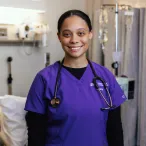
"I promise, when times get hard, you will remember why you wanted to pursue nursing. And it will make you want to go harder than ever before."

"I have really enjoyed the hands-on practice. Throughout the first semester we were constantly practicing on the manikins and each other."
Nursing Student Resources
Nursing students are encouraged to review the handbook associated with their cohort year for important program information, expectations and guidelines. Additional resources and policies are provided below to support students throughout their time in the program.


End-of-Program Student Learning Outcomes
- Students will apply clinical judgment in the delivery of care by synthesizing knowledge, skills, and technology from the established and evolving art and science of nursing, as well as from the biological, social and behavioral sciences.
- Students will employ person-centered care in partnership with the client, identified support persons and the healthcare team.
- Students will evaluate social determinants of health at the population level to promote improved health outcomes.
- Students will integrate scholarly evidence into nursing practice.
- Students will apply principles of safety and quality improvement to the delivery of care.
- Students will apply collaborative practice for safe patient care.
- Students will apply knowledge of systems to work effectively across the continuum of care.
- Students will apply principles of professional nursing ethics in the delivery of care.
- Students will utilize information technologies to deliver evidence-based care.
- Students will create a personal and professional plan for long-term resilience.
BSN Student Achievement & Program Outcome Data
Program Completion Rates
Data will be available in May 2027, upon graduation of the first BSN cohort.
The Expected Level of Achievement for Program Completion:
60% of all students who begin the first course (NUR 2575 Research and Evidence-Based Practice) and at the time when a student can no longer receive a 100% tuition refund (before day 1 of class) will complete the BSN program on time, which equates to 6 terms in cohorts 1-4 and 4 terms for all subsequent cohorts.
Job Placement Rates
Data will be available in November 2027 for the first BSN cohort who graduate in May 2027.
The Expected Level of Achievement for Job Placement Rates:
95% of graduates who complete the program will be employed as a registered nurse either part-time or full-time, within 6 months after graduation.
Licensure and/or certification examination pass rates.
Data will be available beginning in fall 2027 and updated every spring.
The Expected Level of Achievement for NCLEX Pass Rates:
≥80% of first-time test-takers pass; or
≥80% of all test-takers (first-time plus repeaters) pass; or
The program’s pass rate is at or above the national/territorial mean for the same program type.
Accreditation Commission for Education in Nursing
The baccalaureate nursing program at the University of Northern Iowa, located in Cedar Falls, Iowa is accredited by the Accreditation Commission for Education in Nursing (ACEN).
The most recent accreditation decision made by the ACEN Board of Commissioners for the baccalaureate nursing program is Initial Accreditation.
View the public information disclosed by the ACEN regarding this program on the ACEN website.
Initial Accreditation is effective June 26, 2024. The next accreditation evaluation visit is scheduled for spring 2031.
Accreditation Commission for Education in Nursing (ACEN)
3390 Peachtree Road NE, Suite 1400
Atlanta, GA 30326
(404) 975-5000