
Nursing Facilities
Hands-on nursing education in integrated, real-world learning environments
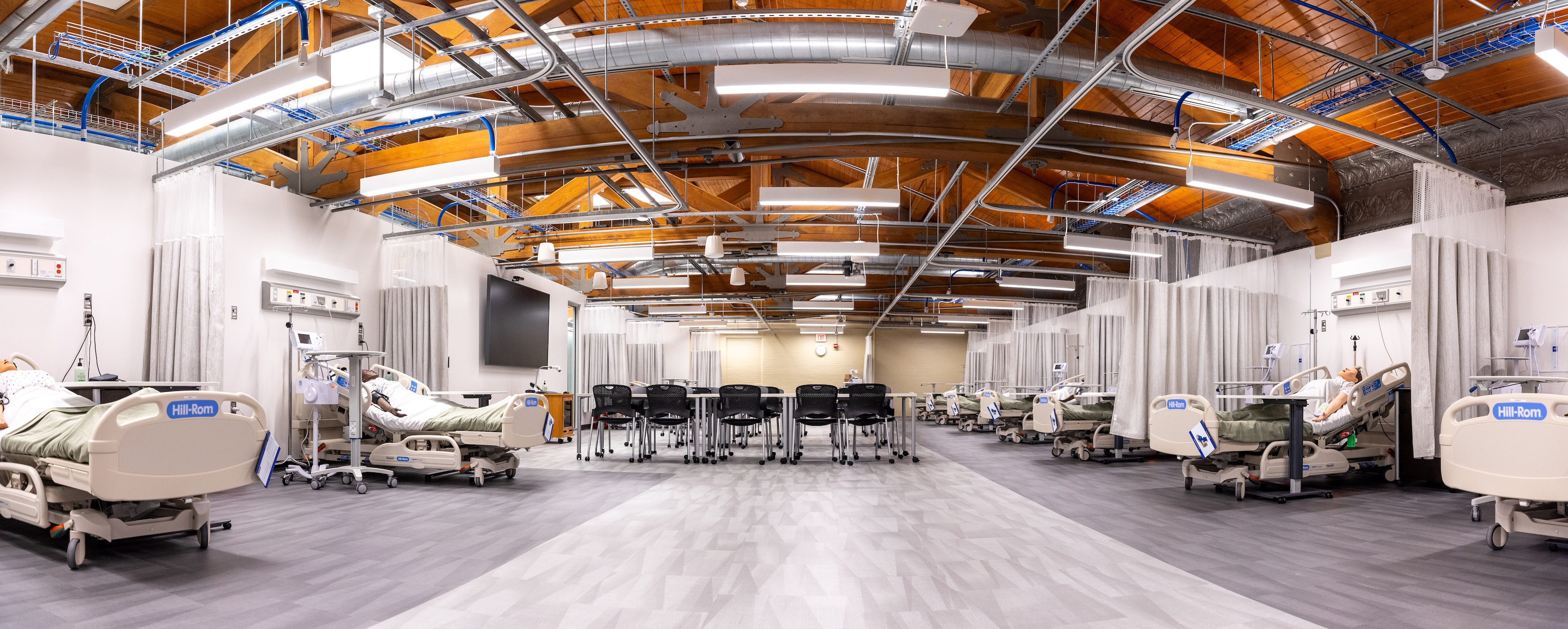
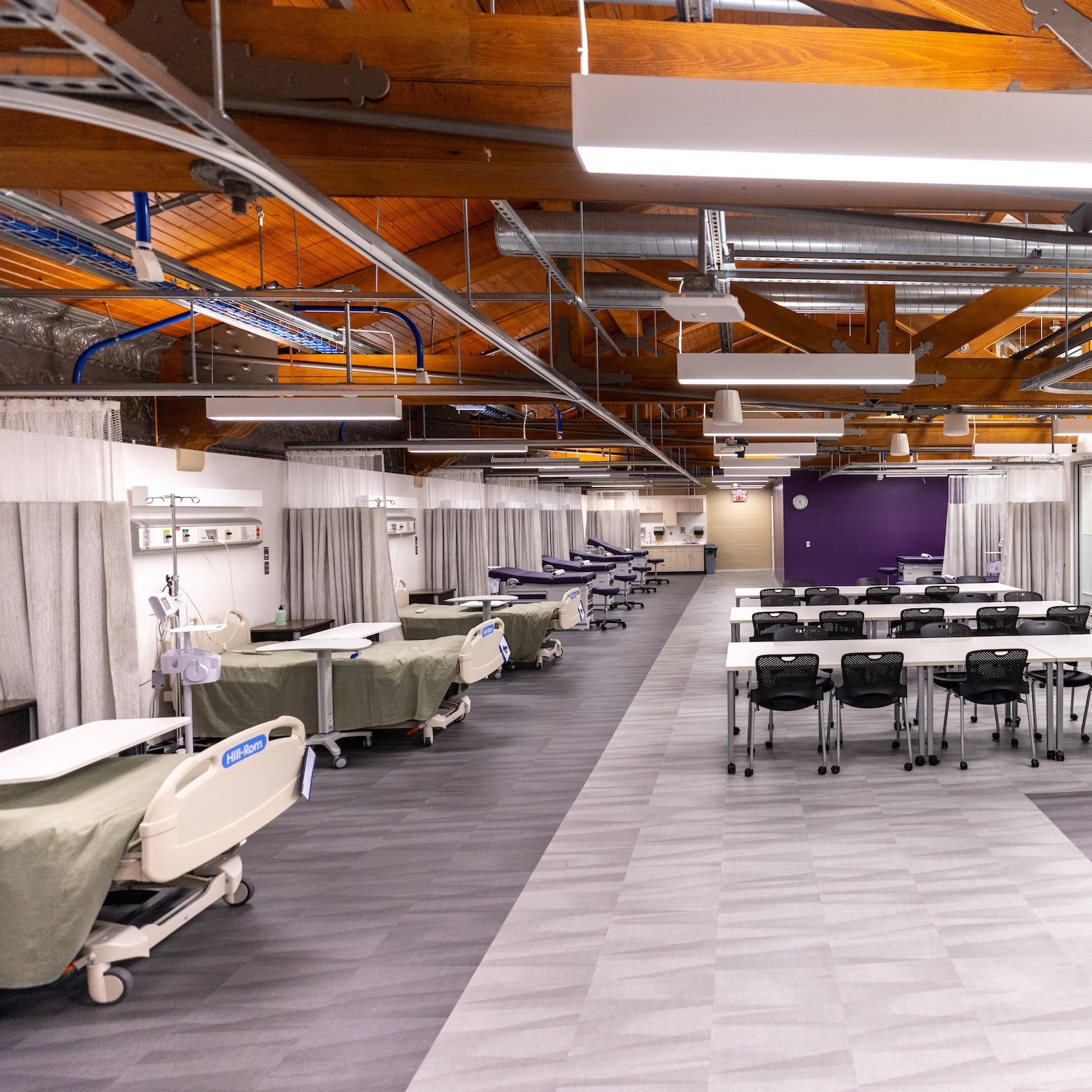
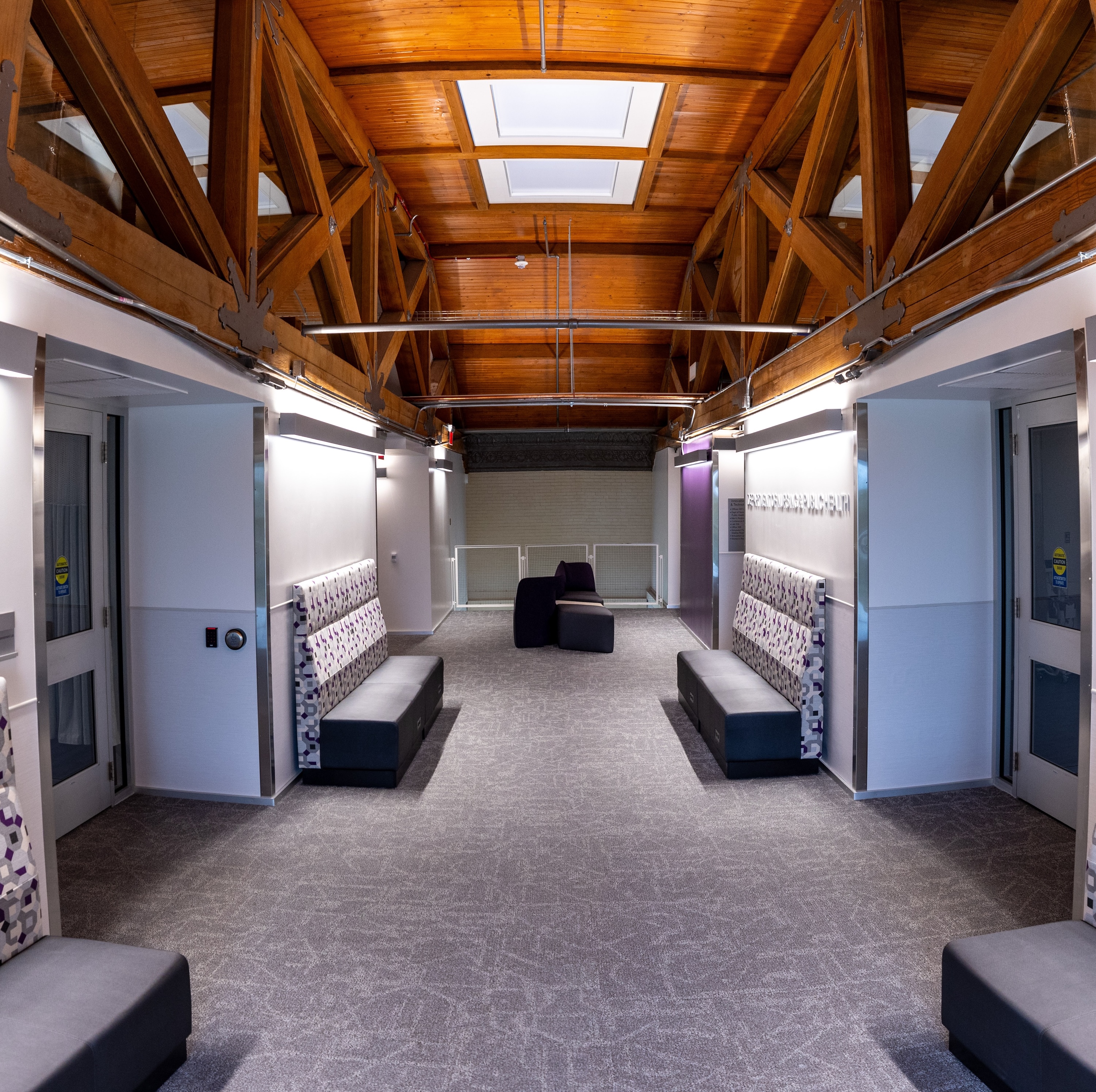
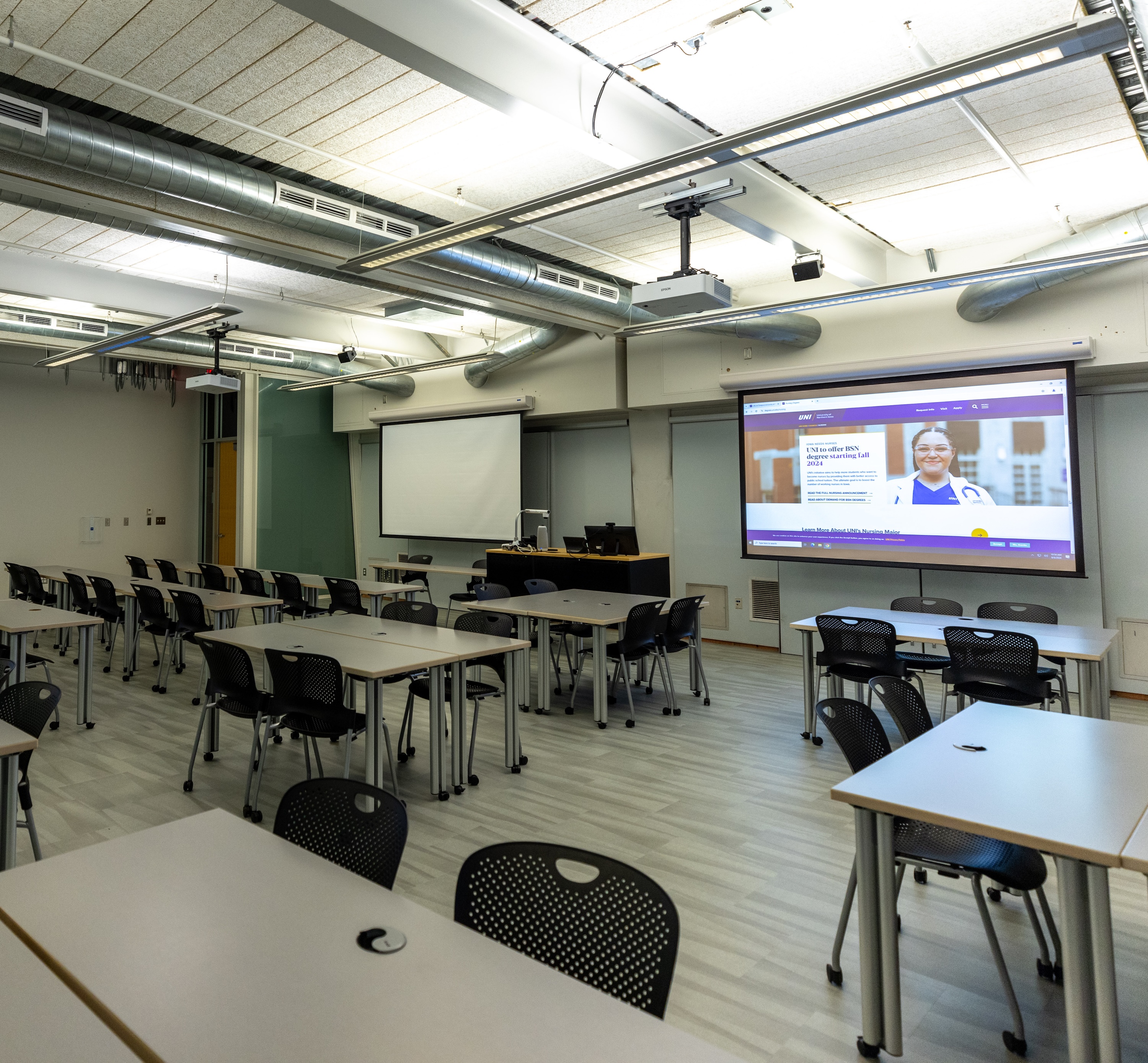
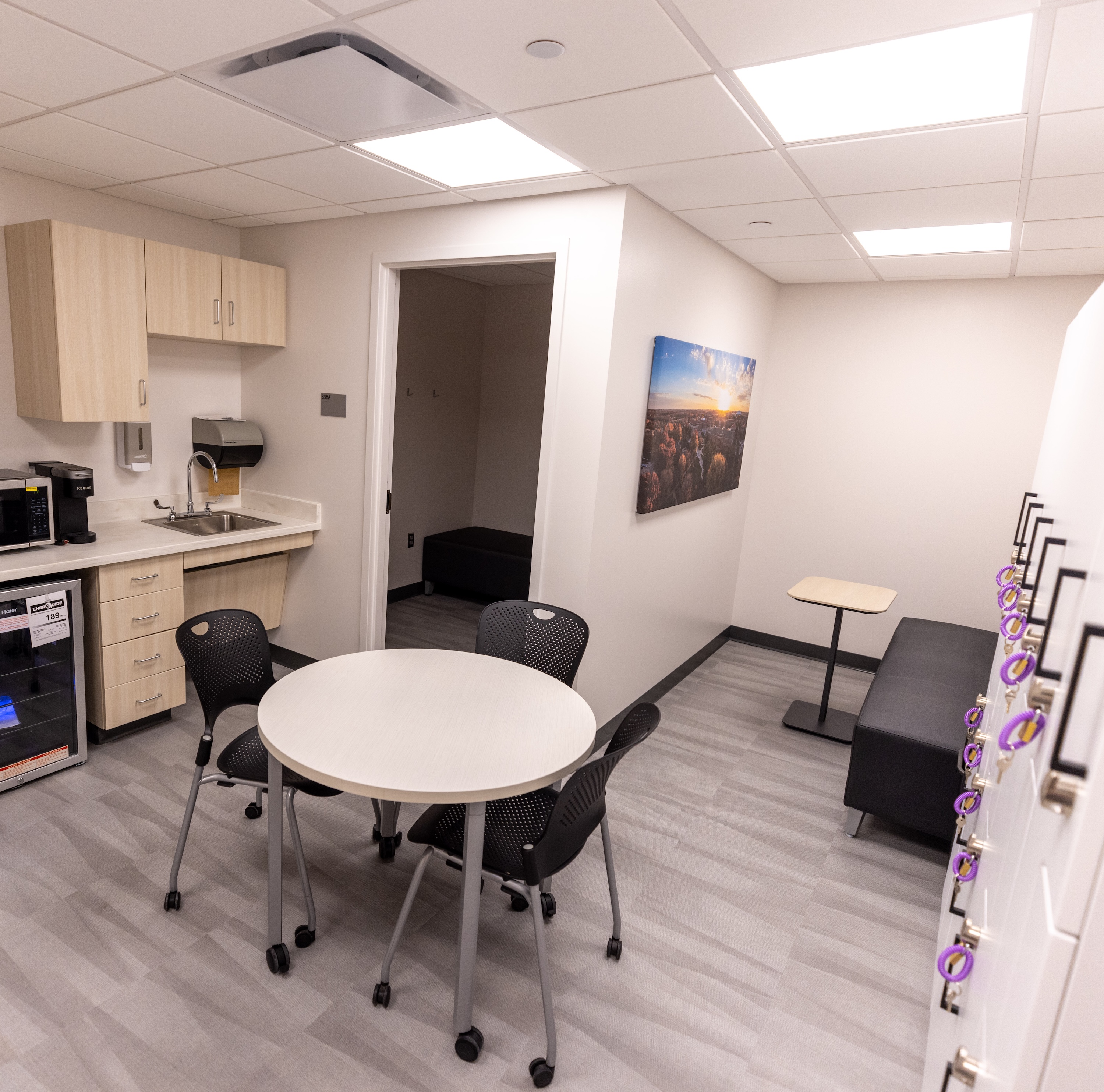
The University of Northern Iowa’s Department of Nursing and Public Health is housed in the Innovative Teaching and Technology Center (ITTC), a state-of-the-art facility designed to support hands-on, simulation-based nursing education. Through integrated classrooms, skills labs and hospital-style simulation environments, students learn in spaces that closely reflect real health care settings.
A multi-phase renovation of the ITTC has created a modern home for Nursing where students develop clinical knowledge, hands-on skills and decision-making abilities through active, competency-based learning experiences.





Learn Across Realistic Clinical Environments
Within the ITTC, Nursing students move seamlessly between classroom instruction, skills practice and simulation — building knowledge, applying techniques and strengthening clinical judgment in one connected learning experience.
This integrated approach allows students to learn concepts and immediately apply them in realistic settings, reinforcing confidence and decision-making at every stage of their education.
Our hallmark is we want our graduates to be practice ready. What that means is when they walk out the door, they're still newly-prepared nurses, but they can critically think, take care of multiple patients and have a higher level of function once they graduate than we typically see.


Skills Labs & Foundational Learning (3rd Floor)
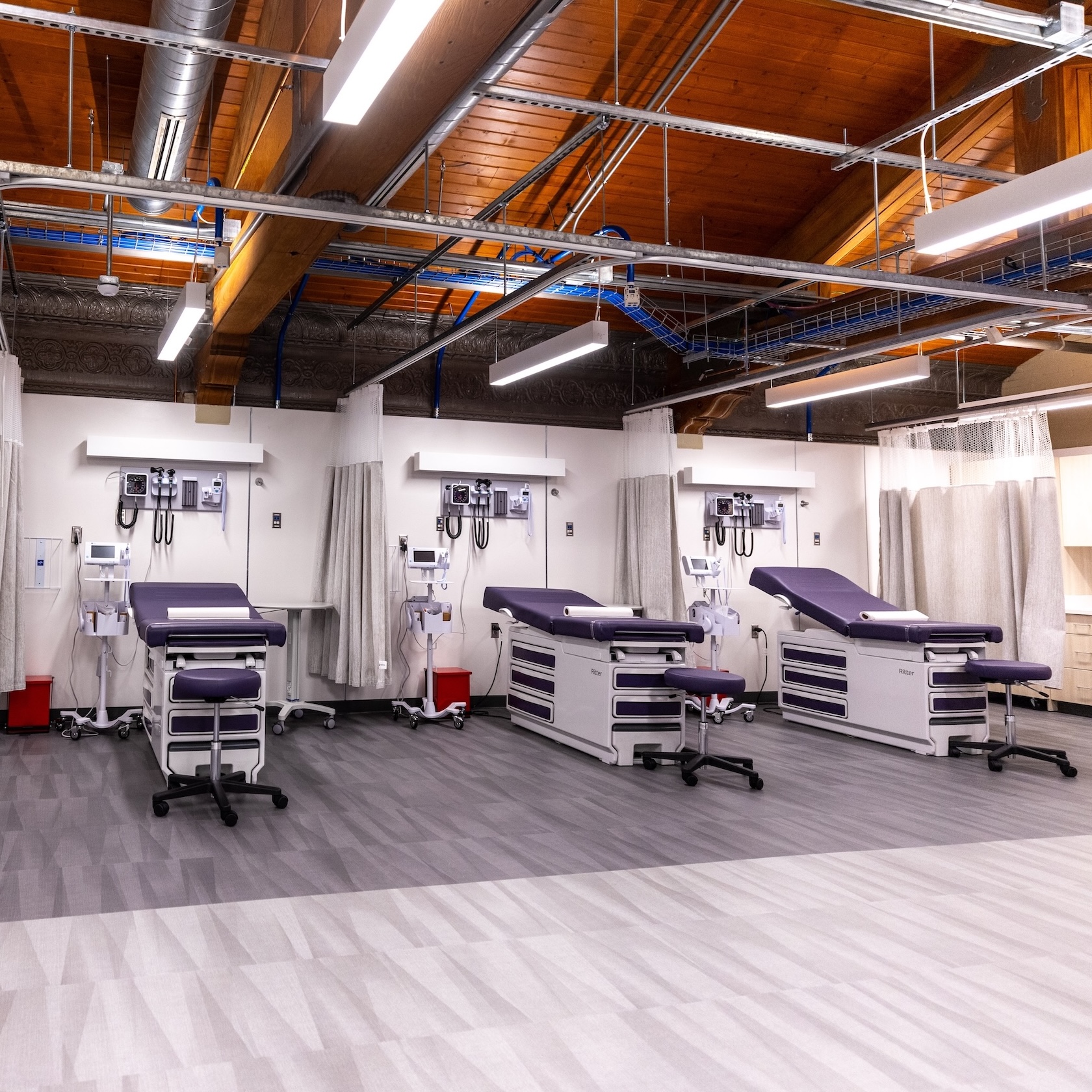
Students begin building core nursing skills in classrooms and labs designed for active, applied learning.
Here, students practice essential skills such as:
- Patient assessments and vital signs
- IV administration and medication basics
- CPR and emergency response
- Foundational clinical procedures
These spaces are supported by faculty who provide guidance, feedback and mentorship as students develop clinical confidence step by step.


Immersive Hospital-Style Simulation (Ground Floor)
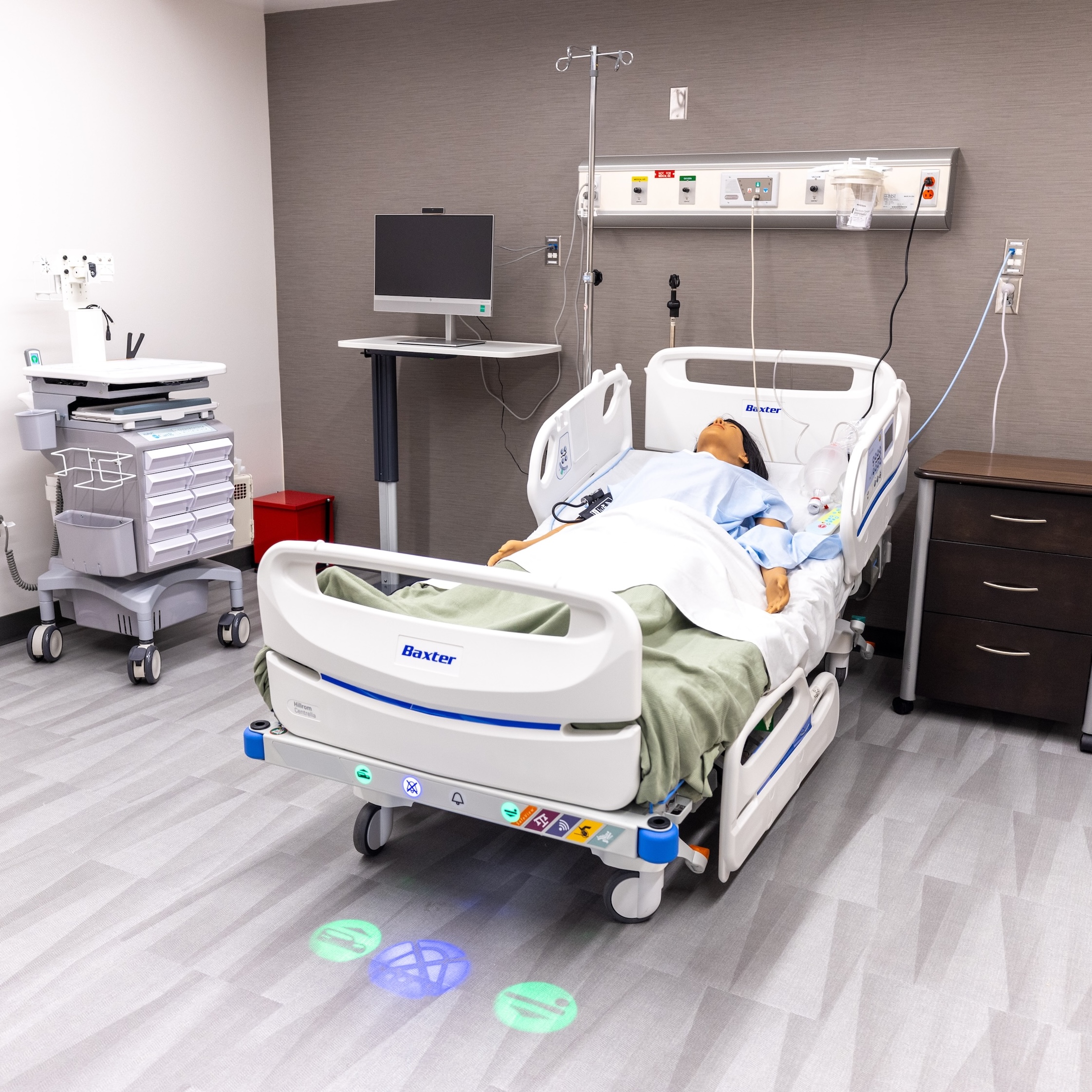
As skills progress, students move into fully immersive simulation environments that replicate real health care settings.
These spaces include:
- Trauma and emergency care environments
- Labor and delivery simulation suites
- Pediatric and community health settings
- A fully equipped nurses’ station
- Medication administration areas
- Simulated electronic health record systems
Here, students work through realistic patient scenarios in team-based settings — building clinical judgment, communication skills and decision-making under conditions that reflect real practice.


Advanced Simulation Technology
Across both floors, students learn using advanced tools that deepen understanding and strengthen clinical readiness, including:
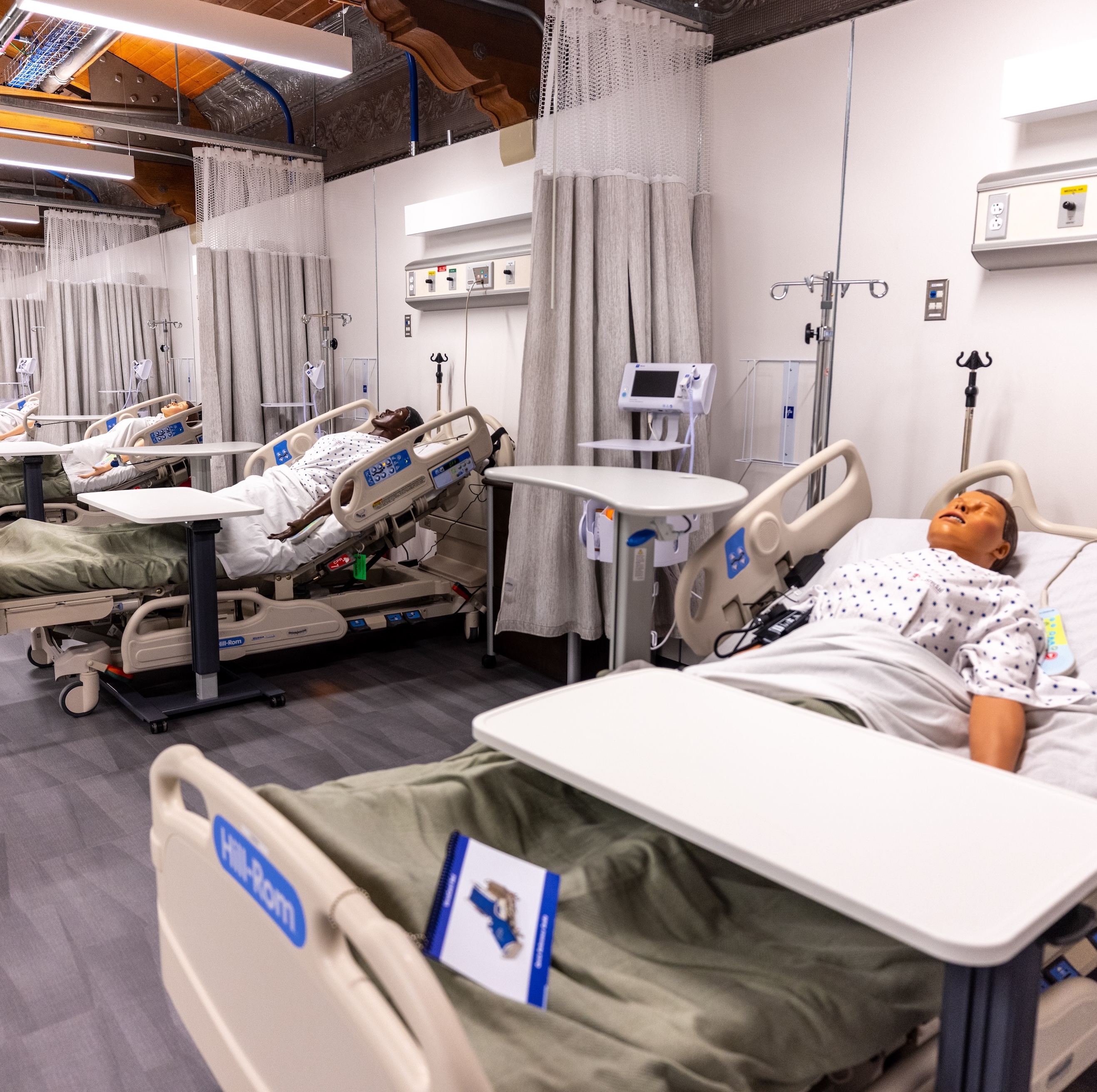
- High-fidelity patient simulators that respond like real patients
- The Anatomage Table: a life-sized digital anatomy system for 3D exploration of the human body
These technologies allow students to safely practice, test decisions and refine their skills before entering clinical placements.

“I was in awe the first time I walked through here.”
UNI nursing students are getting their first look at the newly completed space, a realistic mini hospital unit filled with advanced simulators, trauma suites and immersive patient-care technology. Read how the renovation is shaping their future in health care.
