
Glenda Gates Riley
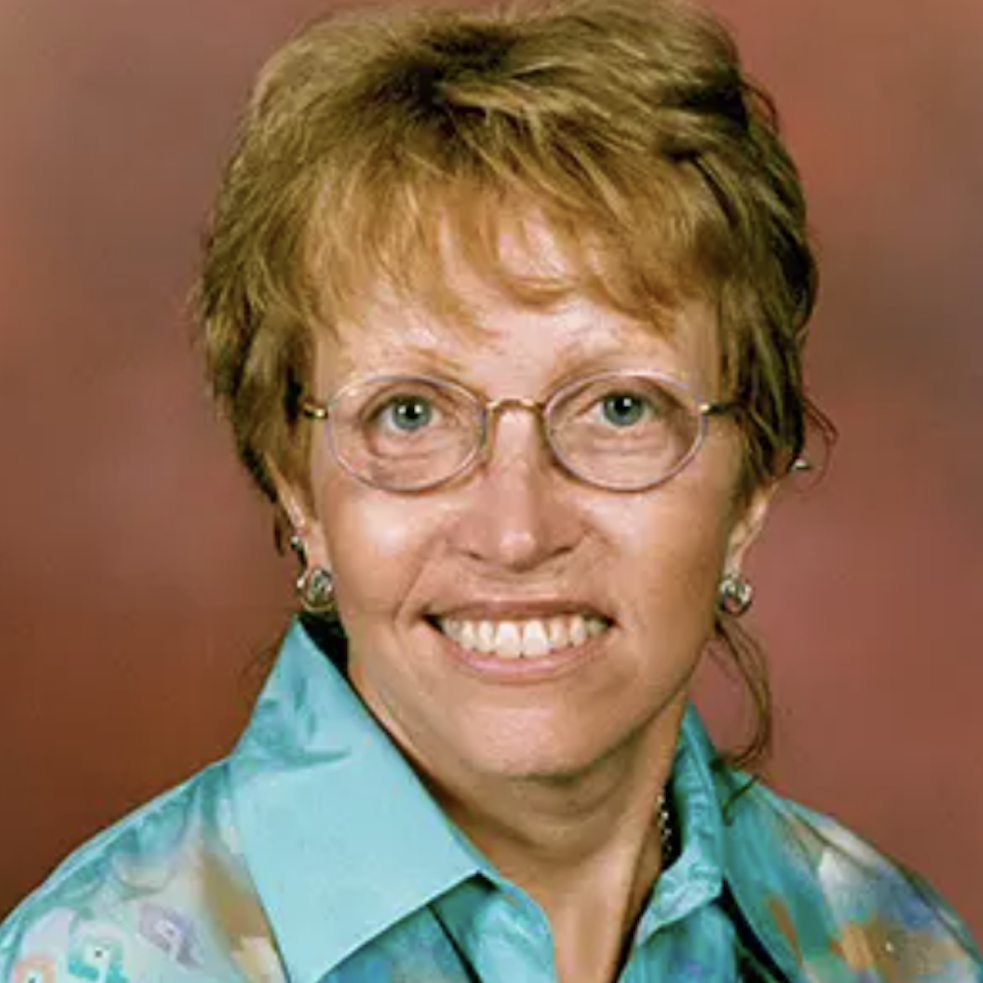
Glenda Gates Riley
Historian, scholar and pioneer of women's history
When Glenda Gates Riley joined the University of Northern Iowa history faculty in 1969, women's history was rarely taught in college classrooms. Over the next two decades, she helped change that — not only at UNI, but across Iowa and the nation.
A nationally recognized historian of women in the American West, Riley taught at UNI from 1969 to 1990, becoming an associate professor in 1972 and a full professor in 1977. During her time on campus, she taught Iowa's first women's history course in 1972 and, alongside English professor Grace Ann Hovet, co-founded the state's first Women's Studies program in 1976, making UNI one of the earliest universities in the Midwest to offer the interdisciplinary field. Riley served as the program's first director for a decade, helping establish a lasting academic legacy that continues today.
While building new opportunities for students at UNI, Riley was also reshaping the historical profession. At a time when the history of the American West focused almost exclusively on men, her research centered the experiences of women on the frontier, drawing from letters, diaries and personal accounts to tell stories that had long been overlooked. Her landmark books, including “Frontierswomen: The Iowa Experience,” “Women and Indians on the Frontier,” “The Female Frontier” and “A Place to Grow,” helped redefine the field and brought national attention to Iowa women's history.
Her scholarship earned numerous honors throughout her career. Riley became the first woman to receive UNI's Distinguished Scholar Award in 1988, was inducted into the Iowa Women's Hall of Fame in 1990 and received two Fulbright appointments, including serving as the Mary Ball Washington Professor of American History at University College Dublin, where she taught the Republic of Ireland's first women's history course. She later served as Alexander M. Bracken Professor of History at Ball State University and, in 1996-97, became just the third woman elected president of the Western History Association.
Across more than three decades of teaching and scholarship, Riley helped expand both the questions historians ask and whose stories are told. Her work challenged traditional narratives of the American West, inspired generations of students and scholars, and established UNI as an early leader in women's history and women's studies.